
How do you choose your lighting?
Today, artificial lighting is essential for our daily lives, so choosing a light source that's healthy and energy-efficient is crucial. There's a wide variety of lighting products on the market, and modern technology allows you to optimize their functionality based on their intended use. When purchasing a light bulb, we often pay special attention to its technical aspects, but this isn't the only factor influencing our lighting choices.
Lena Lighting Children
Professionals spend much of their time in enclosed rooms, requiring artificial light. This fact compels us to choose safe and healthy lighting, whether at work or school, or in our homes or apartments. We should also pay special attention to the time of day and year. Autumn and winter, when sunlight is less abundant, force us to use artificial light for longer periods.
Choosing the right lighting should be a key consideration from a young age. Our children spend approximately 200 days a year in school and college, spending several hours each day. The impact of light quality on eye health is a particular concern for parents. They are well aware of how lighting can affect their children's academic performance and overall well-being.
Saving money on light quality can have serious consequences. A few months after purchase, our bodies may begin to experience the first negative effects of harmful lighting—headaches, difficulty concentrating, nausea, fatigue, and tearing. Therefore, it's crucial to choose products that meet photobiological safety standards.
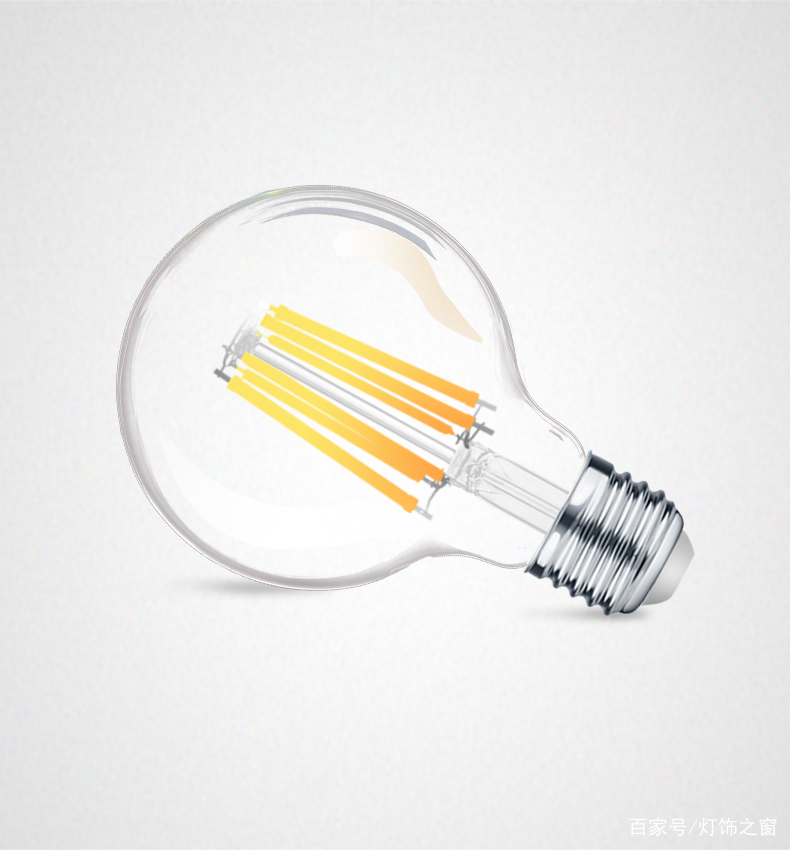
What are photobiological safety standards?
Photobiological safety standards
IEC 62471, the photobiological safety standard, requires lighting manufacturers to control the intensity of electromagnetic radiation and ensure compliance with applicable regulations. It's worth noting that failure to meet these requirements can pose several risks to the eyes and skin:
Ultraviolet radiation harms eyes and skin
UV-A radiation harms eyes
Blue light harms eyes
Infrared (IR) radiation harms eyes
Skin thermal harms
Retina thermal harms
It's important to understand that you won't find information about photobiological standards on bulb packaging, as this isn't required—you must seek this data directly from the manufacturer.
What factors influence lighting quality?
Factors that influence lighting quality
Adequate lighting not only improves visibility but also stimulates movement and regulates our circadian rhythms.
Lena Lighting is people-centric
Therefore, choosing the right lighting is crucial; its quality profoundly impacts our physical and mental well-being and work efficiency. Therefore, it's worth considering the following factors:
Light color—warm colors help us relax and calm down, and are recommended for bedrooms, living rooms, or leisure areas; neutral colors—stimulating and therefore suitable for offices; cool colors—highly stimulating and suitable for industrial and commercial spaces.
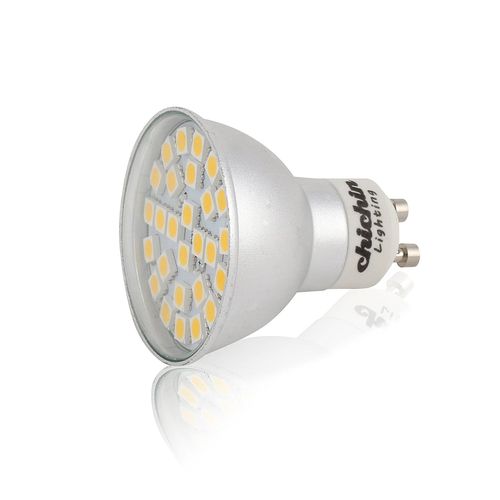
The color rendering index (Ra) is expressed on a scale of 0 to 100. The higher the index, the better the color rendering and the more natural the illuminated objects appear. In rest areas, Ra levels should be between 60 and 80, while in work areas or bathrooms, they should be above 80.
Luminous intensity—luminous flux (Im)—depends on the application. For rest and relaxation, softer lighting is recommended, while more intense lighting is preferred in the kitchen or at a desk.
Lena Lighting Tunable White Light
Why Choose LED Technology?
When arranging lighting, lighting manufacturers recommend LED technology. LED technology offers many advantages, notably: it lasts longer than traditional bulbs, generates significantly less heat during operation, and is more energy-efficient. Furthermore, voltage does not alter the color of the light, and the light it produces is closer to natural sunlight. Due to these properties, LED technology is widely used in everything from heavy industry to home decor.
LED technology can emit a wide range of light colors, allowing you to create spaces tailored to your specific needs. In office spaces, red, blue, and yellow are particularly useful—they stimulate the mind and body, boosting productivity. In rest areas, homes, and apartments, it's best to install lamps that emit a sunlight-like glow. Green light can also be used to enrich the environment, as psychologists claim it has a positive effect on the human nervous system.
LED technology has become a promising alternative to traditional light sources due to its functionality and safety.